
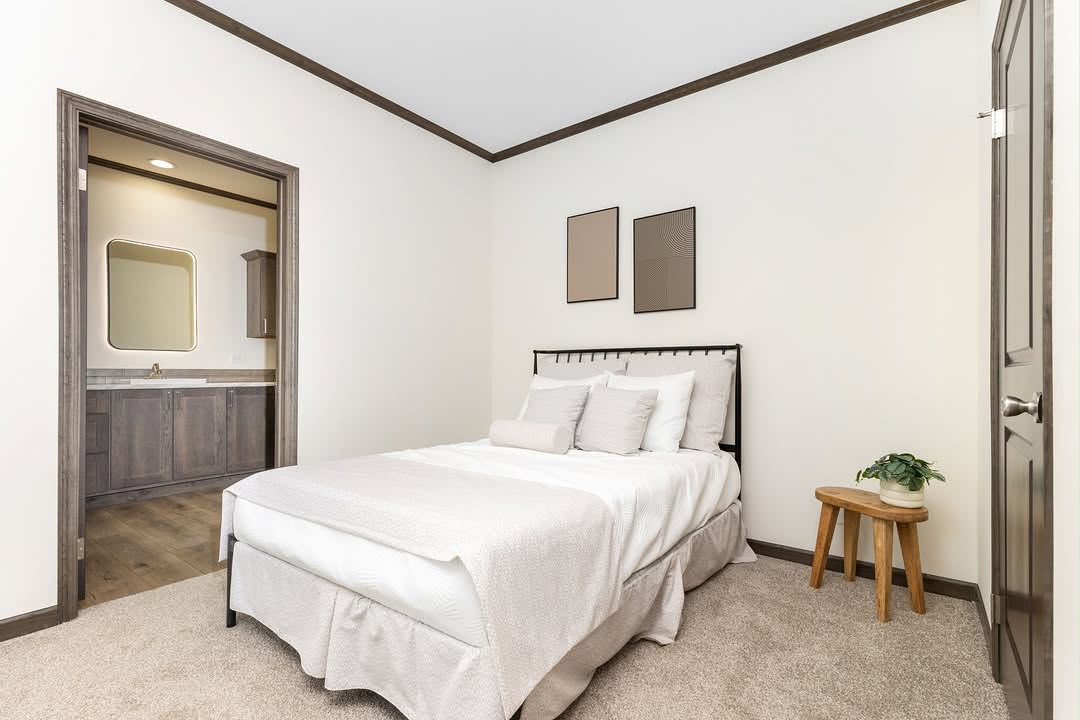
Finding the right home does not always mean purchasing a traditional site-built house. For buyers looking for flexible floor plans, different home sizes and potentially lower upfront costs, mobile homes and manufactured homes are worth exploring. Across the United States, buyers can compare single-wide homes, double-wide homes, new manufactured homes, pre-owned properties and homes located in residential communities.
If you are searching for mobile homes for sale, the most important step is knowing how to compare listings beyond the advertised price. The location, condition, land ownership, transportation, installation, financing and recurring community fees can all affect the total cost of ownership.
MobileHomesForSaleUSA.com helps buyers explore mobile homes, manufactured homes, modular homes, prefab homes and tiny homes through a nationwide marketplace. Whether you are looking for a starter home, a larger family residence or a property to suit your retirement plans, comparing available listings can help you identify options that fit your requirements.
Why Are More Buyers Exploring Mobile Homes for Sale?
Housing affordability is an important consideration for many American households. Manufactured housing offers another option to investigate alongside conventional houses, condominiums and apartments.
Factory-built homes are available in a range of layouts and sizes. Depending on the property and seller, buyers may find compact one-bedroom homes, family-sized homes with multiple bedrooms, open-plan living areas, modern kitchens and additional storage.
Some buyers prefer a home situated in a manufactured-home community, while others want to place a home on privately owned land. Each arrangement has different costs, responsibilities and local requirements.
Before choosing a home, decide which features matter most to you. Your budget, preferred location, household size and plans for the future should guide your search.
1. Search for Mobile Homes for Sale Near Me
Searching for mobile homes for sale near me is a practical starting point if you want to compare properties close to your current location.
Begin by entering your city, state or ZIP code into a property marketplace. Narrow the results according to your preferred price range, number of bedrooms, home type and condition.
Local listings can help you compare the cost of homes in different communities. However, remember that the lowest advertised price does not necessarily mean the lowest overall cost.
Check whether the home includes the land, whether it is situated in a community with monthly lot rent, and whether transportation or installation expenses apply.
Browse the available listings on MobileHomesForSaleUSA.com and compare the properties that match your location and budget.
2. Compare Cheap Mobile Homes for Sale
Buyers searching for cheap mobile homes for sale should compare the condition of each home rather than focusing only on the asking price.
An inexpensive used property may need roof repairs, plumbing work, electrical upgrades, new flooring or heating and cooling improvements. A more expensive home in better condition may require less immediate maintenance.
When comparing affordable listings, review:
- The asking price and any additional seller fees.
- The year of manufacture and overall condition.
- The number of bedrooms and bathrooms.
- Roof, flooring, plumbing and electrical condition.
- Heating, cooling and insulation.
- Whether appliances and other fixtures are included.
- Lot rent, utilities, insurance and expected maintenance.
Request clear photographs, arrange an inspection where possible and ask the seller to explain any known defects.
The goal is to find a home that fits your budget both at purchase and over the years you plan to own it.
3. Explore Used Mobile Homes for Sale
Used mobile homes for sale can appeal to buyers who want to compare existing properties instead of purchasing a newly manufactured unit.
Before making an offer, establish the home’s age, title status, ownership history and condition. Ask whether the seller has documentation for repairs, renovations and any previous relocation.
A qualified inspector familiar with manufactured housing can help identify problems involving the structure, roof, moisture, plumbing, electrical systems and foundation or support system.
Buyers should also check local rules for the home’s intended location. A home that is available for purchase may not automatically be eligible to be moved onto every residential lot.
Compare several used homes before deciding. Looking at multiple listings can help you understand the features, condition and prices available in your target market.
4. Consider New Mobile Homes for Sale
New mobile homes for sale may offer current floor plans, new appliances, manufacturer warranties and choices of finishes, depending on the model and seller.
If you are considering a new manufactured home, compare the advertised base price with the complete cost of getting the home ready for occupancy.
Ask whether the quotation includes delivery, site preparation, foundation work, installation, utility connections, permits, steps, skirting and other necessary items. Some of these expenses may be quoted separately.
You should also request information about the manufacturer’s warranty, installation requirements, energy features and expected delivery timeline.
Comparing the complete package can help you understand which new home provides the best value for your needs.
5. Choose Between Single-Wide and Double-Wide Homes
Single-wide mobile homes are generally narrower layouts, while double-wide homes consist of sections joined together during installation. The best choice depends on your space requirements, budget and intended homesite.
A single-wide home may suit a buyer who wants a more compact layout. A double-wide home may provide additional living space, more flexible room arrangements or larger common areas.
When comparing these options, examine the floor plan instead of relying only on exterior photographs.
Consider how many bedrooms you need, where furniture will fit, whether the kitchen has adequate storage and whether the layout offers privacy for household members.
Also check the transport and installation requirements for the selected model. Larger homes may involve different delivery, access, setup and site-preparation considerations.
6. Look for Mobile Homes Under $50,000
Searching for mobile homes for sale under $50,000 can help establish a clear starting budget. However, the availability and condition of homes at this price point vary considerably by state, local market and property type.
Listings in this range might include older homes, homes that need renovation or properties sold without the underlying land. Do not assume every listing is move-in ready or that a low asking price covers installation.
Before paying a deposit, confirm the seller’s ownership, the home’s condition, title documentation and any restrictions on moving or occupying the property.
Prepare a budget for inspection, repairs, transport, permits and installation where applicable. If the home is in a community, verify the current lot rent and community rules.
A realistic total-cost calculation is more useful than choosing a property based on its advertised price alone.
7. Compare Mobile Homes Under $100,000
A budget of up to $100,000 may open up a different range of possibilities depending on the location, age, size and condition of the home.
Compare both new and used properties, but make sure you understand exactly what is being sold. One listing might be for the home only, while another might include land or be part of a real-estate transaction.
Review square footage, bedroom count, construction details, energy features, location and expected maintenance. Ask for a written breakdown of any additional charges.
If you are comparing properties in different states, remember that local land prices, community fees, installation costs, taxes and insurance can affect affordability.
Use your budget as a filter, then evaluate the full property details before arranging a viewing.
8. Search for Mobile Homes for Sale With Land
Some buyers want a manufactured home together with the land on which it sits. Others want to buy a home separately and place it on a lot they already own.
These arrangements are not interchangeable.
When land is included, confirm the legal description, ownership records, access, utilities, zoning and any restrictions affecting the property. If the home is being sold separately, confirm that your intended lot permits the home and can accommodate its installation.
Site preparation can involve grading, foundation work, drainage, utility connections, access improvements and permits. Local authorities may have requirements covering setbacks, septic systems, electrical work and installation standards.
Before committing to a purchase, consult the relevant local building or planning department and obtain estimates from qualified professionals.
9. Investigate Mobile Home Financing Options
Buyers who need financing should research their options before selecting a property. Manufactured-home financing may differ from financing for a conventional house.
Depending on the transaction, financing may cover the home alone, the land alone or a home-and-land combination. The available loan structure can depend on the home’s classification, its location, whether the land is owned or leased, the borrower’s financial profile and lender requirements.
The US Department of Housing and Urban Development provides information about the FHA Title I Manufactured Home Loan Program and its eligibility requirements. Buyers can begin with the official HUD resources at https://www.hud.gov/hud-partners/single-family-finance-manuf.
Compare interest rates, loan terms, down-payment requirements, fees, insurance obligations and total repayment costs. Ask lenders whether they finance the specific home type and intended site.
Do not assume you are approved simply because a listing mentions financing. Confirm eligibility directly with a qualified lender before making financial commitments.
10. Consider Mobile Homes for Sale by Owner
Mobile homes for sale by owner may provide another way to find a property. Private sellers sometimes advertise homes that are not being marketed through a conventional real-estate agent.
As with any private sale, verify the seller’s identity and legal authority to sell the home. Request the title or other applicable ownership documents and check for outstanding liens or restrictions.
Arrange an inspection and ask about the home’s age, repair history, occupancy status and any damage. If the home is located in a manufactured-home community, contact the community management to verify approval requirements, fees and transfer procedures.
Keep written records of the purchase agreement, payment terms, included fixtures and responsibilities for moving or installing the home.
Never send a substantial deposit solely because a seller claims another buyer is about to purchase the property. Verify the listing and the transaction independently.
11. Understand the Difference Between Mobile and Manufactured Homes
The term “mobile home” is widely used in property searches, but the technical distinction matters.
In the United States, homes built to the federal Manufactured Home Construction and Safety Standards have been subject to that code since June 15, 1976. Older homes may be subject to different requirements, and not every factory-built home falls into the same legal category.
Manufactured homes are generally built in a factory on a permanent chassis and transported to the homesite. Modular homes are constructed in sections and are generally subject to applicable state and local building codes rather than the federal manufactured-home code.
Before buying, check the home’s construction documentation, certification, applicable code, age and local eligibility for placement.
Understanding these differences helps you compare similar properties and ask the right questions of sellers, inspectors and lenders.
12. Explore Mobile Homes for Sale in Texas
Texas is one location to consider when searching for mobile homes for sale. Your results will depend on the city, surrounding communities, property type and current inventory.
Compare listings in your preferred area and check the distance to employment, healthcare, schools, shopping and other important services.
If you plan to place a home on private land, verify zoning, permits, utility access and installation requirements. If you plan to live in a manufactured-home community, confirm lot rent, rules, services and any approval process.
Do not assume a listing in Texas includes land or that every county has the same requirements.
Start with a location-specific search and compare current listings rather than relying on general price claims.
13. Compare Mobile Homes for Sale in Florida
Florida buyers may want to compare homes in different cities and manufactured-home communities. Location is particularly important when assessing insurance, weather exposure, flood risk and ongoing ownership costs.
Ask about roof condition, tie-downs or anchoring, relevant wind-resistance features, flood exposure and any applicable local requirements. Have the home inspected and obtain insurance quotations before finalizing your purchase.
For community properties, check lot rent, maintenance responsibilities, age restrictions if applicable, pet policies and rules concerning home improvements.
Compare the total cost of owning the property rather than choosing a home based on its listing price alone.
14. Look for Mobile Homes for Sale in North Carolina
North Carolina offers buyers a range of locations to investigate, from larger urban areas to smaller towns and rural communities.
When searching for mobile homes for sale in North Carolina, compare the home itself, the site, transport access and local requirements. If the property is in a community, ask about recurring fees and the terms of the lot agreement.
For homes on private land, verify the property’s legal status, zoning, utilities, foundation requirements and any necessary permits.
If you are moving from another state, ask for a full cost estimate covering transportation and setup before committing to a home that needs relocation.
15. Use MobileHomesForSaleUSA.com to Compare Available Homes
Once you have established your preferred budget, location and home type, the next step is to compare current listings.
MobileHomesForSaleUSA.com is designed to help buyers explore mobile homes, manufactured homes, modular homes, prefab homes and tiny homes across the United States.
Use the available search and category options to narrow your choices by location, price, home style and other relevant features. Review photographs, floor plans, specifications and seller information wherever provided.
Before arranging a purchase, confirm that the listing is current and verify all material details with the seller. Availability, pricing, financing and included services can change.
A focused search helps you spend less time reviewing unsuitable properties and more time comparing homes that fit your needs.
What to Check Before Buying a Mobile Home
Use this checklist before making a final decision:
- Confirm the purchase price and what is included.
- Verify the seller’s identity and ownership documents.
- Check the home’s age, condition and relevant certifications.
- Arrange an inspection by a qualified professional.
- Confirm whether land is included or leased.
- Review lot rent, community fees and occupancy rules where applicable.
- Obtain estimates for delivery, site preparation and installation.
- Check zoning, permits, utilities and local placement requirements.
- Compare financing offers and insurance costs.
- Read the purchase agreement before paying a deposit.
The US Department of Housing and Urban Development provides additional guidance on installation, site suitability and manufactured-home ownership at https://www.hud.gov/hud-partners/manufactured-home-resources.
Frequently Asked Questions About Mobile Homes for Sale
Where can I find mobile homes for sale in the USA?
You can explore nationwide manufactured-home marketplaces, local dealerships, private listings and community sales. MobileHomesForSaleUSA.com offers a starting point for comparing available homes by location and category. Verify individual listings with the seller.
Are cheap mobile homes worth buying?
They can be, provided the home’s condition, title, location and total costs meet your needs. Inspection and a realistic repair budget are important, especially for older properties.
Can I finance a manufactured home?
Financing may be available through lenders that work with manufactured housing. Eligibility depends on factors such as the home, land arrangement, borrower and lender requirements. Obtain written terms before making a purchase.
Is land always included with a mobile home?
No. Some properties include land, while others are sold as home-only purchases on leased lots or in manufactured-home communities. Always verify what the sale includes.
Should I buy a new or used mobile home?
A new home may offer current designs and a manufacturer warranty, while a used home may have a lower asking price. Compare the full cost, condition, warranty coverage, installation requirements and expected maintenance.
Start Your Search for Mobile Homes for Sale Today
Finding the right home starts with knowing what you can afford, where you want to live and which features matter most.
Compare new and used mobile homes, explore single-wide and double-wide layouts, investigate land and financing arrangements, and review the costs beyond the purchase price.
Visit https://mobilehomesforsaleusa.com/ to explore available listings and narrow your search for mobile homes for sale across the United States. Verify prices, availability and property details directly before making a purchase.
Your next step is to compare homes carefully and choose the option that fits your budget, location and long-term plans.
