
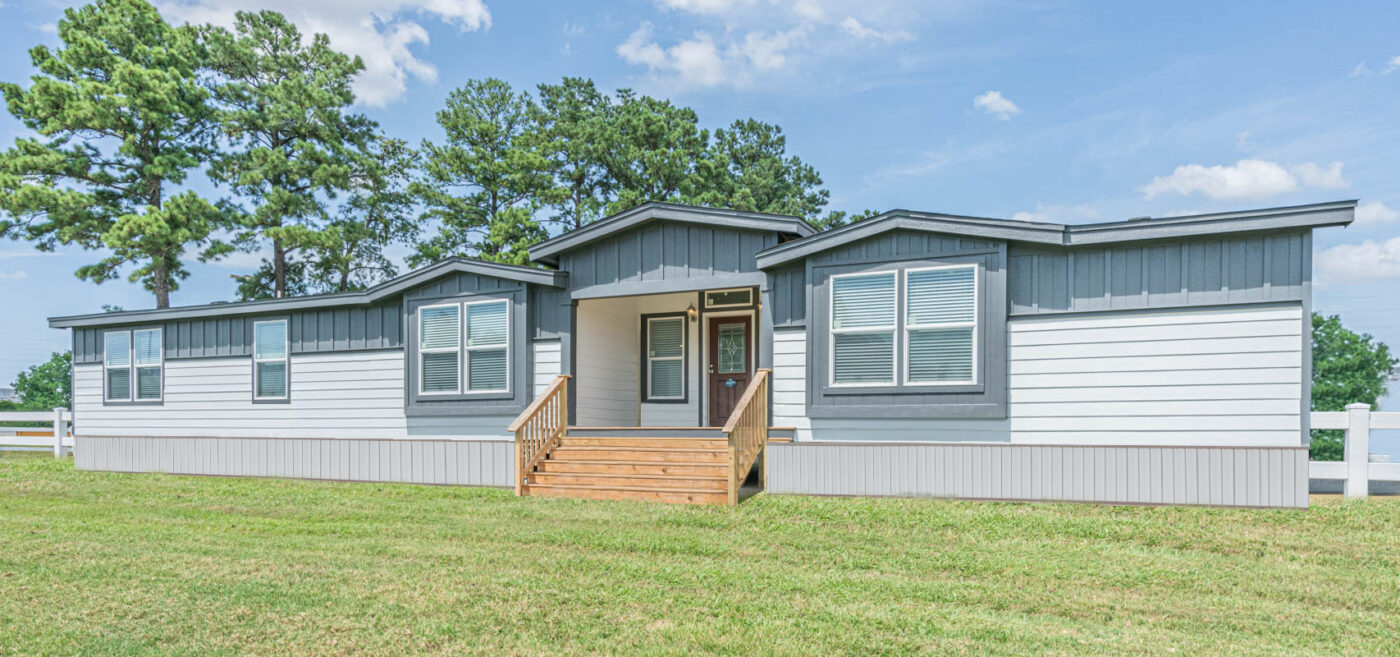
Are you searching for tiny homes for sale in the United States? Whether you want an affordable small home, a modern prefab design, a compact vacation property or a practical alternative to a traditional house, comparing available models can help you find an option that fits your budget and lifestyle.
Tiny homes have attracted interest from buyers looking for smaller living spaces, simpler floor plans and alternative housing arrangements. Depending on the model, you can explore compact studios, homes with separate bedrooms, park model homes, prefabricated tiny houses and other factory-built designs.
At MobileHomesForSaleUSA.com, buyers can explore tiny homes, prefab homes, modular homes and other housing categories. The marketplace gives you a starting point for comparing home types, specifications and available listings across the USA.
However, finding the right home involves more than selecting an attractive design. You should also consider the purchase price, delivery, installation, land, utilities, local regulations and the home’s intended use.
Why Are Buyers Searching for Tiny Homes for Sale?
Tiny homes appeal to different buyers for different reasons. Some want a smaller primary residence, while others are exploring a guest house, vacation property or additional accommodation on land they already own.
A compact home may require less living space to furnish and maintain, although the actual savings depend on construction quality, utilities, land costs, insurance and other expenses.
Available designs vary considerably. Some tiny homes have open-plan interiors, while others offer loft sleeping areas, separate bedrooms, kitchenettes, full bathrooms and built-in storage.
Before you buy, identify your main purpose. A home intended for full-time living may need different features and approvals from a unit intended for occasional recreational use.
1. Compare Tiny Homes for Sale by Price
Price is one of the first things to consider when searching for tiny homes for sale.
Listings may advertise a base price that excludes delivery, site preparation, installation, appliances or other features. Ask the seller for a written breakdown of everything included.
Compare models with similar dimensions, construction specifications and included equipment. A low advertised price may represent a shell or unfinished unit rather than a completed home.
Set a total budget that includes the purchase, transportation, site work, utility connections, permits and expected maintenance.
2. Explore Affordable Tiny Homes for Sale
If affordability is your priority, compare different sizes, layouts, construction methods and levels of finish.
An affordable tiny home may be a compact studio, a simple prefabricated unit or a used property. However, affordability should not come at the expense of safety, construction quality or suitability for your intended use.
Ask about insulation, ventilation, moisture protection, electrical systems, plumbing and warranty coverage.
You should also compare ongoing expenses, including utilities, insurance, land costs and maintenance. These expenses can make a substantial difference to the long-term cost of owning a small home.
3. Compare Prefab Tiny Homes for Sale
Prefab tiny homes are manufactured or assembled using components produced away from the final homesite. Depending on the design, construction method and supplier, some work may be completed in a factory before delivery.
When comparing prefab tiny homes for sale, request the floor plan, dimensions, construction specifications and details of the included fixtures.
Find out whether the price covers a finished home or a structure that needs additional work. Ask about delivery access, installation, foundation requirements and warranty terms.
Check whether the specific model is suitable for your intended location and use before placing an order.
4. Understand What Sellers Mean by Pack Homes
The term “pack homes” can refer to different products depending on the seller. Some buyers may use it to describe packaged or prefabricated housing, while others may mean park model homes.
These terms should not automatically be treated as interchangeable.
If you are considering a packaged or prefabricated home, ask whether the product is delivered complete, supplied as a kit or assembled on-site. Confirm what materials, fixtures and installation services are included.
If you mean a park model home, verify its dimensions, intended recreational or residential use, transport requirements and the rules that apply to its placement.
Clear product specifications will help you compare similar homes and avoid ordering a model that does not meet your needs.
5. Consider Park Model Homes for Sale
Park model homes are compact units often designed for recreational use. Their layouts may include a kitchen, bathroom, living area and sleeping space.
However, a park model should not automatically be assumed to qualify as a permanent residence in every location.
Before purchasing, ask about the applicable construction standard, certification, intended use and installation requirements. Check local zoning and community rules to determine whether the unit can be occupied as you intend.
If you plan to place it in a recreational vehicle park or another managed community, confirm the permitted unit types, lot fees, occupancy limits and other conditions.
6. Check Tiny Homes Under $50,000
Buyers searching for tiny homes under $50,000 should establish exactly what the advertised price includes.
Depending on the seller and model, a listing in this budget range might represent a compact unit, a basic structure, a used home or a model that requires additional work. Availability varies, so verify current prices instead of relying on general price claims.
Ask whether the home includes a kitchen, bathroom, insulation, electrical systems, plumbing and interior finishes.
Add delivery, installation, site preparation, utility connections and permits to your calculation. If land is not included, budget for a suitable site as well.
7. Decide Whether You Need Land
Tiny homes for sale with land can appeal to buyers who want a home and property in one transaction.
Other buyers already own land or plan to purchase a home that will be placed on a leased lot.
Each arrangement has different costs and requirements. If land is included, verify the property boundaries, legal ownership, access, utilities and applicable restrictions.
If you plan to place a tiny home on land you own, check zoning, building requirements, setbacks, wastewater arrangements and permitted occupancy before purchasing the unit.
Owning land does not automatically mean every type of tiny home can legally be installed or occupied there.
8. Compare Tiny Houses on Wheels for Sale
Tiny houses on wheels offer mobility, but moving a home is not as simple as towing an ordinary vehicle.
Before buying, confirm the home’s dimensions, loaded weight, towing requirements, road legality and applicable transport regulations. Some units may require specialist transportation rather than being moved by the buyer.
Ask whether the home is designed for frequent travel or primarily intended to be transported to a site and remain there.
Also check whether the intended destination permits the unit and whether it has access to suitable parking, utilities and wastewater facilities.
9. Look for Modern Tiny Homes for Sale
Modern tiny homes may feature contemporary kitchens, large windows, efficient layouts, built-in storage and carefully designed living spaces.
However, photographs alone cannot establish the quality of a home’s construction.
Request details about insulation, ventilation, structural materials, electrical systems, plumbing and weather protection. If the home is designed for year-round living, ask how it performs under the climate conditions of your intended location.
Compare the usable interior space, not just the exterior appearance. Storage, ceiling height, stair access and bathroom layout can strongly influence everyday comfort.
10. Compare Luxury Tiny Homes for Sale
Luxury tiny homes may include upgraded finishes, premium appliances, larger windows, custom cabinetry or more elaborate layouts.
Before paying for optional upgrades, determine which features improve your daily experience and which mainly affect appearance.
Request an itemised quote and confirm whether premium fixtures, delivery, installation and warranty coverage are included.
Compare the complete package against other homes in the same category. A higher price should be evaluated against the quality, specifications and services actually provided.
11. Consider Used Tiny Homes for Sale
Used tiny homes may provide an alternative to purchasing a new model, but the condition and ownership history matter.
Inspect the roof, walls, flooring, windows, plumbing, electrical equipment and visible structural components. For a unit on wheels, ask a qualified professional to assess the trailer or chassis as appropriate.
Request information about repairs, water damage, modifications and previous transportation.
Verify the seller’s authority to sell the home and obtain the relevant ownership documents. If the home must be moved, obtain an estimate for transport and installation before making an offer.
12. Choose the Right Number of Bedrooms
Tiny homes are available in different configurations, including studios, loft-style layouts and models with separate bedrooms.
A two-bedroom tiny home may suit buyers who need an additional sleeping space, a guest room or a flexible area for household use. However, room dimensions and privacy vary by design.
Review the floor plan carefully. Check whether sleeping areas have adequate access, ventilation and headroom, and whether the kitchen and bathroom meet your needs.
If you plan to live in the home full-time, consider storage, accessibility, heating and cooling, and the needs of everyone who will occupy it.
13. Understand Financing and Payment Terms
Financing options depend on the home’s classification, construction, intended use, land arrangement and lender requirements.
Some lenders may finance qualifying manufactured homes, while other tiny-home products may require different arrangements. Do not assume a conventional mortgage will be available for every model.
Ask the seller what payment methods are accepted and contact qualified lenders to discuss eligibility before making a commitment.
Compare interest rates, fees, down payments and total repayment costs. Read the purchase agreement and confirm the refund and cancellation terms before paying a deposit.
14. Check Local Building and Occupancy Rules
Tiny-home regulations vary across the United States and may differ between cities, counties and states.
A unit permitted in a recreational vehicle park may not automatically be approved as a permanent residence on a private residential lot.
Contact the relevant local planning or building department to ask about zoning, construction standards, permits, foundations, utilities and occupancy.
Also verify the home’s certification and intended classification with the seller. Getting these answers before purchasing can help prevent expensive placement problems.
15. Compare Listings on MobileHomesForSaleUSA.com
Once you know your budget, preferred home type and intended location, compare available listings.
MobileHomesForSaleUSA.com features housing categories that include tiny homes, prefab homes, modular homes, park model homes and other manufactured housing options.
Review the listing photographs, dimensions, floor plans, included features and seller information where provided. Contact the seller to verify current availability and request any missing specifications.
Compare several suitable models before deciding. A careful comparison can help you identify the home that best matches your budget, preferred design and intended use.
Frequently Asked Questions About Tiny Homes for Sale
Are tiny homes cheaper than traditional houses?
Some tiny homes have lower purchase prices than conventional houses, but total costs depend on the model, land, delivery, installation, utilities, permits and ongoing expenses. Compare the complete cost rather than the base price alone.
Can I live permanently in a tiny home?
That depends on the unit’s classification and the rules applicable to the property. Check local zoning, building standards, utilities and occupancy requirements before purchasing.
Are prefab homes and tiny homes the same?
No. Prefabrication describes how a home or its components are produced, while “tiny home” generally describes a compact dwelling. A prefab home can be small or large, and a tiny home can be built using different methods.
Can I buy a tiny home with land?
Some listings may include land, while others sell only the unit. Verify the property description, legal ownership and any placement requirements before committing.
What should I ask before ordering a tiny home?
Ask for the full price, specifications, dimensions, included features, delivery costs, installation requirements, warranty terms and cancellation policy. Confirm that the unit is suitable for your intended location and use.
Start Comparing Tiny Homes for Sale Today
Finding the right tiny home begins with a clear budget and an understanding of how you intend to use the property.
Compare prefab tiny homes, park model homes, modern compact designs and other small-home options. Check the complete cost, verify the seller’s claims and confirm local placement requirements before making a purchase.
Visit https://mobilehomesforsaleusa.com/ to explore tiny homes and other factory-built housing options across the United States.
Compare available listings, review specifications and contact sellers to confirm prices and availability. With careful research, you can make a more informed decision about the small home that fits your needs.
